
Pricing Details
Institutional Licensing: Custom pricing tailored to the size and needs of the institution. Research Access: Special pricing available for academic and research institutions. Disclaimer: For the most current and accurate pricing details, please refer to the official LightHearted AI website.
Product Visuals (1 images)
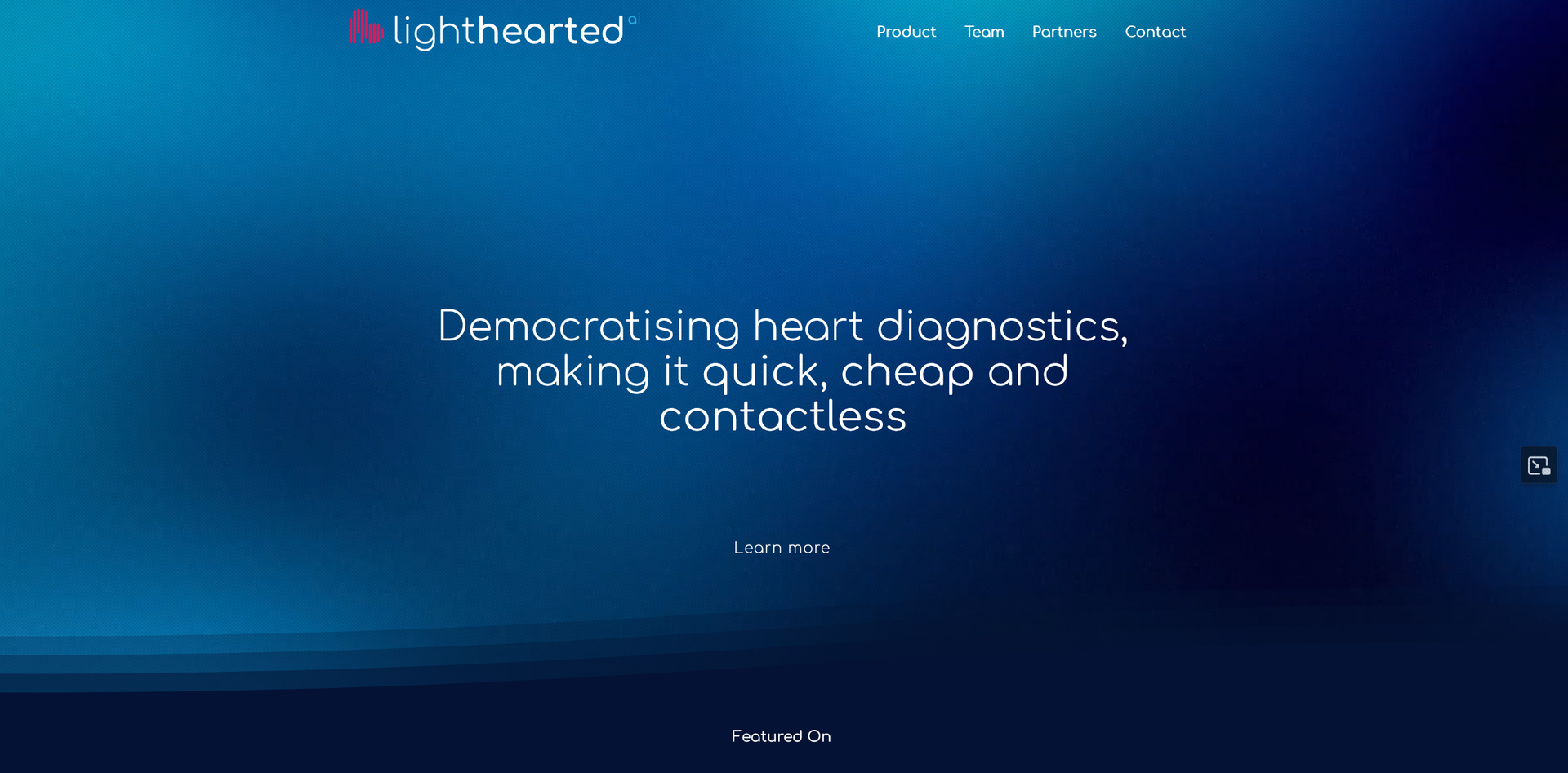
Strengths
- Enhanced Diagnostic Accuracy: Improves the precision of heart disease diagnoses through advanced technology.
- Speed and Efficiency: Reduces diagnostic time, enabling faster patient management and care.
- Cost-Effectiveness: Lowers diagnostic costs by eliminating the need for traditional, expensive equipment.
- Accessibility: Facilitates heart diagnostics in underserved and remote areas due to its non-invasive and contactless nature.
Limitations
- Technology Adoption: May require initial training and adaptation as healthcare institutions integrate the new technology.
- Hardware Dependency: Relies on the availability and proper functioning of specific hardware for the laser technology.
- Regulatory Approvals: Must navigate extensive regulatory processes, which can be time-consuming and complex.
Building your AI toolkit?
Save LightHearted AI and 1,000+ tools — free with Google, no spam
What You Get
Key Features
- Laser-Based Technology: Utilizes non-contact laser methods to efficiently gather essential cardiac biomarkers.
- Advanced AI Algorithms: Processes data to generate accurate diagnostic reports swiftly, without requiring expert intervention.
- User-Friendly Interface: Designed for ease of use, ensuring healthcare professionals can operate the system without extensive training.
- Scalable Solutions: Adapts seamlessly to the needs of various healthcare settings, from small clinics to large hospitals.
- ProsEnhanced Diagnostic Accuracy: Improves the precision of heart disease diagnoses through advanced technology.Speed and Efficiency: Reduces diagnostic time, enabling faster patient management and care.Cost-Effectiveness: Lowers diagnostic costs by eliminating the need for traditional, expensive equipment.Accessibility: Facilitates heart diagnostics in underserved and remote areas due to its non-invasive and contactless nature.ConsTechnology Adoption: May require initial training and adaptation as healthcare institutions integrate the new technology.Hardware Dependency: Relies on the availability and proper functioning of specific hardware for the laser technology.Regulatory Approvals: Must navigate extensive regulatory processes, which can be time-consuming and complex.
Best For
- Hospitals: Enhancing cardiac care units with faster and more accurate diagnostic capabilities.
- Remote Clinics: Providing advanced cardiac diagnostics in remote locations.
- Research Institutions: Leveraging the technology for cutting-edge studies in cardiology and health tech.
- Health Tech Startups: Integrating the platform into broader health solutions.
- Uncommon Use Cases: Applied by military medical units for field diagnostics; utilized on cruise ships for onboard health assessments.
Integrations
Healthcare Systems Integration: Works seamlessly with existing healthcare management systems. Data Security Compliance: Adheres to HIPAA and GDPR standards to ensure patient data protection. Multi-Platform Support: Compatible with various digital platforms used in healthcare facilities. Custom API Development: Provides custom API solutions to meet specific institutional requirements.
Similar Tools

Weekly Issue
⚡
Research tools · weekly digest
The AI Weekly — free in your inbox
New AI tools, pricing changes, expert picks, and hidden gems — curated by Mr. Spark every week. Join 5,000+ readers who stay ahead of the AI curve.
No spam, ever
Unsubscribe anytime
100% free