
Pricing Details
Standard License: Starts at $2000 per year. Enterprise License: Custom pricing based on specific needs and scale of the organization. Disclaimer: For the most accurate and current pricing details, please refer to the official Basemark website.
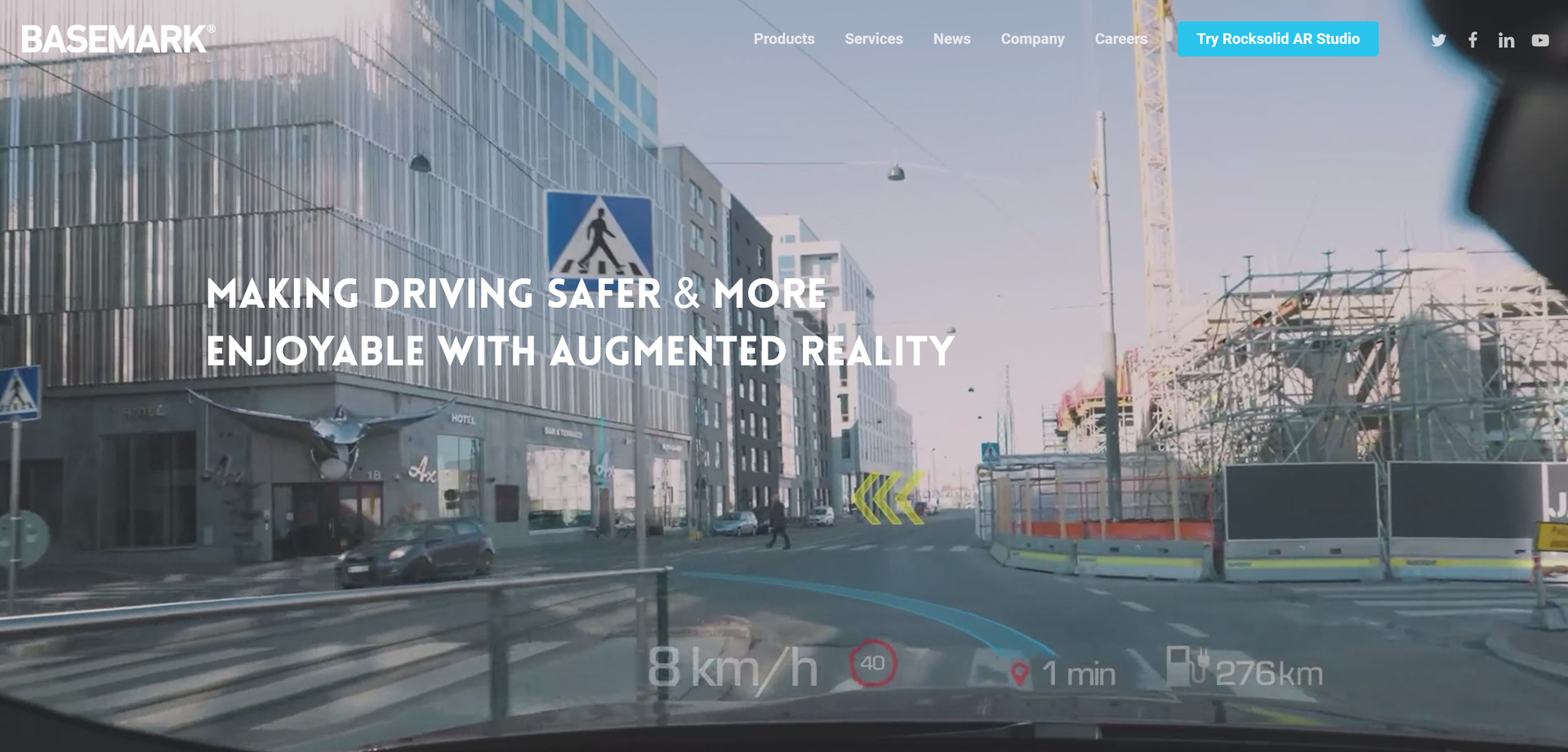
Product Visuals (1 images)
Strengths
- Enhanced Accuracy: Provides precise performance benchmarking, crucial for developing high-quality automotive applications.
- User-Friendly Interface: Features an intuitive design that is easy to navigate, even for users with limited technical knowledge.
- Scalability: Adapts efficiently to project size and complexity, suitable for both small-scale and large industrial applications.
- Regular Updates: Continuously updated to include the latest benchmarks and features, keeping pace with industry advancements.
Limitations
- Specialized Use: Primarily designed for the automotive sector, which may limit its utility for professionals outside this field.
- Resource Intensive: Requires significant system resources, which might restrict its use on less capable hardware.
- Premium Cost: High-end features come with a premium price, potentially limiting access for smaller developers or startups.
What You Get
Key Features
- Real-Time Graphics Testing: Uses advanced algorithms to evaluate graphics performance under real-world automotive conditions.
- Compute Performance Metrics: Delivers in-depth insights into the computational capabilities and limitations of automotive systems.
- Customizable Test Suites: Offers flexible testing options adapted to specific hardware and software configurations.
- Cross-Platform Compatibility: Operates seamlessly across various hardware platforms, aiding standardized performance assessment.
- ProsEnhanced Accuracy: Provides precise performance benchmarking, crucial for developing high-quality automotive applications.User-Friendly Interface: Features an intuitive design that is easy to navigate, even for users with limited technical knowledge.Scalability: Adapts efficiently to project size and complexity, suitable for both small-scale and large industrial applications.Regular Updates: Continuously updated to include the latest benchmarks and features, keeping pace with industry advancements.ConsSpecialized Use: Primarily designed for the automotive sector, which may limit its utility for professionals outside this field.Resource Intensive: Requires significant system resources, which might restrict its use on less capable hardware.Premium Cost: High-end features come with a premium price, potentially limiting access for smaller developers or startups.
Best For
- Automotive Manufacturers: Optimizing vehicle software and hardware performance.
- Software Developers: Developing and testing automotive applications.
- Quality Assurance Teams: Ensuring performance standards are met in automotive products.
- Research Institutions: Conducting academic research and development in automotive technologies.
- Uncommon Use Cases: Tech enthusiasts creating custom automotive solutions; educational programs using it for training future automotive engineers.
Integrations
Multi-OS Support: Compatible with Windows, Linux, and QNX systems, supporting diverse development environments. Hardware Versatility: Works across a wide range of automotive hardware, from ECUs to infotainment systems. API Access: Offers an API for integrating custom tests and features. Third-Party Software Compatibility: Supports integration with major automotive software stacks for enhanced functionality.
Similar Tools
Weekly Issue
⚡
Workflows tools · weekly digest
The AI Weekly — free in your inbox
New AI tools, pricing changes, expert picks, and hidden gems — curated by Mr. Spark every week. Join 5,000+ readers who stay ahead of the AI curve.
No spam, ever
Unsubscribe anytime
100% free