
Pricing Details
Free Tier: $0 per month; includes 100 tasks (one-time, 30 days), 3 contacts per agent, 5 always-on agents, basic API access, community support, and standard rate limits. Pro: $50 per month; includes 500 tasks, 20 contacts per agent, unlimited always-on agents, agents never expire, $0.10 per task beyond 500, priority support, and higher rate limits. Scale: $250 per month; includes 10,000 tasks, 50 contacts per agent, unlimited always-on agents, agents never expire, highest intelligence levels, dedicated onboarding specialist, $0.04 per task beyond 10,000, priority work queue, and 1,500 requests per minute API throughput. Disclaimer: Please note that pricing information may not be up to date. For the most accurate and current pricing details, refer to the official Gobii website.
Product Visuals (1 images)
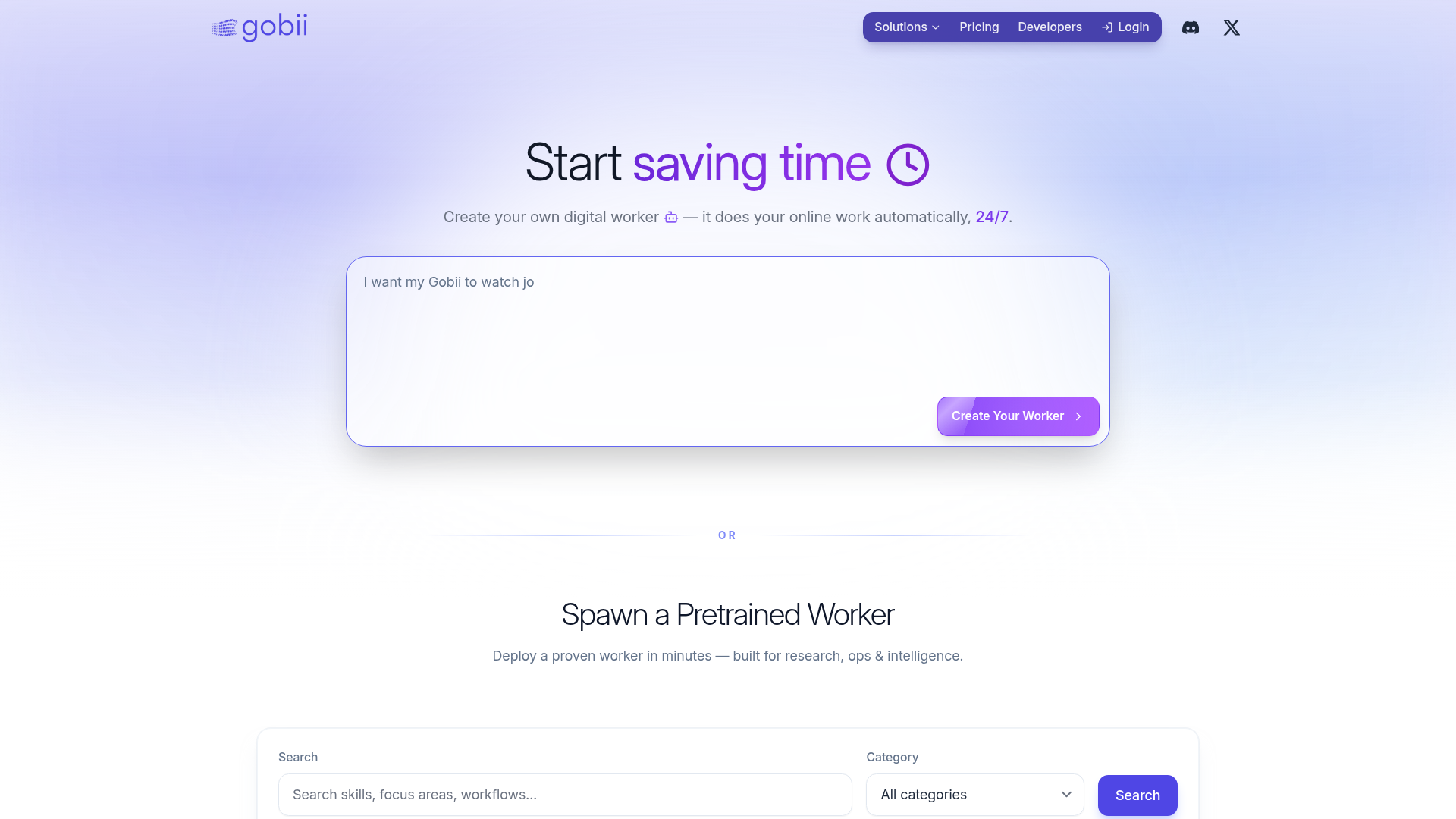
Strengths
- Strong fit for web-centric work: Ideal for roles where people live inside the browser doing research, data collection, or repetitive clicking across multiple sites.
- Fast time to value: Pretrained workers ship with sane defaults, so non-technical teams can get something useful running in minutes instead of designing flows from scratch.
- Flexible automation model: Combination of schedules, event triggers, and integrations covers both regular reporting jobs and reactive workflows.
- Transparent task-based pricing: Clear quotas and overage pricing help teams model cost as usage grows, from lightweight experimentation to heavy automation.
Limitations
- Relatively young product: Ecosystem, tutorials, and community are still smaller compared with older RPA and automation platforms.
- Reliance on third-party websites: Any major UI changes, bot protections, or login quirks on target sites can break or limit certain automations.
- Usage-based costs: High-volume scraping or very aggressive task schedules may require careful tuning or a higher-tier plan to stay economical.
What You Get
Key Features
- 24/7 Browser Automation: AI agents that operate inside a headless browser to perform repetitive online tasks such as prospecting, research, form submissions, and dashboard checks without human supervision.
- Pretrained Specialized Workers: Library of ready-made agents like Lead Hunter, Talent Scout, Competitor Intelligence Analyst, and Public Safety Scout, each with predefined cadences, triggers, and integrations tuned to specific business functions.
- Scheduling and Event Triggers: Support for time-based schedules (for example, every weekday at 09:00) and event-based triggers (for example, new invoice, new support ticket, audit window) so workflows run at exactly the right moments.
- Native Integrations and Data Outputs: Built-in connectors for tools such as Google Sheets, Google Drive, Slack, Salesforce, Bright Data, Perplexity, Jira, Zendesk, Greenhouse, PagerDuty, and calendars, making it easy to push extracted data or send notifications.
- APIs and Developer Tooling: Programmatic control via APIs and webhooks so engineering teams can embed Gobii agents into larger systems, pipe results into internal services, or orchestrate multi-step automations.
- ProsStrong fit for web-centric work: Ideal for roles where people live inside the browser doing research, data collection, or repetitive clicking across multiple sites.Fast time to value: Pretrained workers ship with sane defaults, so non-technical teams can get something useful running in minutes instead of designing flows from scratch.Flexible automation model: Combination of schedules, event triggers, and integrations covers both regular reporting jobs and reactive workflows.Transparent task-based pricing: Clear quotas and overage pricing help teams model cost as usage grows, from lightweight experimentation to heavy automation.ConsRelatively young product: Ecosystem, tutorials, and community are still smaller compared with older RPA and automation platforms.Reliance on third-party websites: Any major UI changes, bot protections, or login quirks on target sites can break or limit certain automations.Usage-based costs: High-volume scraping or very aggressive task schedules may require careful tuning or a higher-tier plan to stay economical.
Best For
- Sales and Revenue Teams: Using workers like Lead Hunter, Account Researcher, and Pipeline Whisperer to find prospects, enrich accounts, and keep CRMs clean without constant manual data entry.
- Recruiting and People Ops Teams: Running Talent Scout, Candidate Researcher, and Onboarding Concierge agents to source candidates, research profiles, and coordinate new-hire checklists.
- Operations and Support Teams: Relying on Vendor Price Analyst, Incident Comms Scribe, and Standup Coordinator for status tracking, price monitoring, and internal communication workflows.
- Risk, Compliance, and Security Teams: Using Public Safety Scout and Compliance Sentinel to monitor public data sources, incident feeds, and policy documentation for early warning signals.
- Uncommon Use Cases: Used by small municipal agencies to monitor local public safety data feeds; Adopted by real estate investment groups to track hyper-specific property markets using the research templates.
Similar Tools
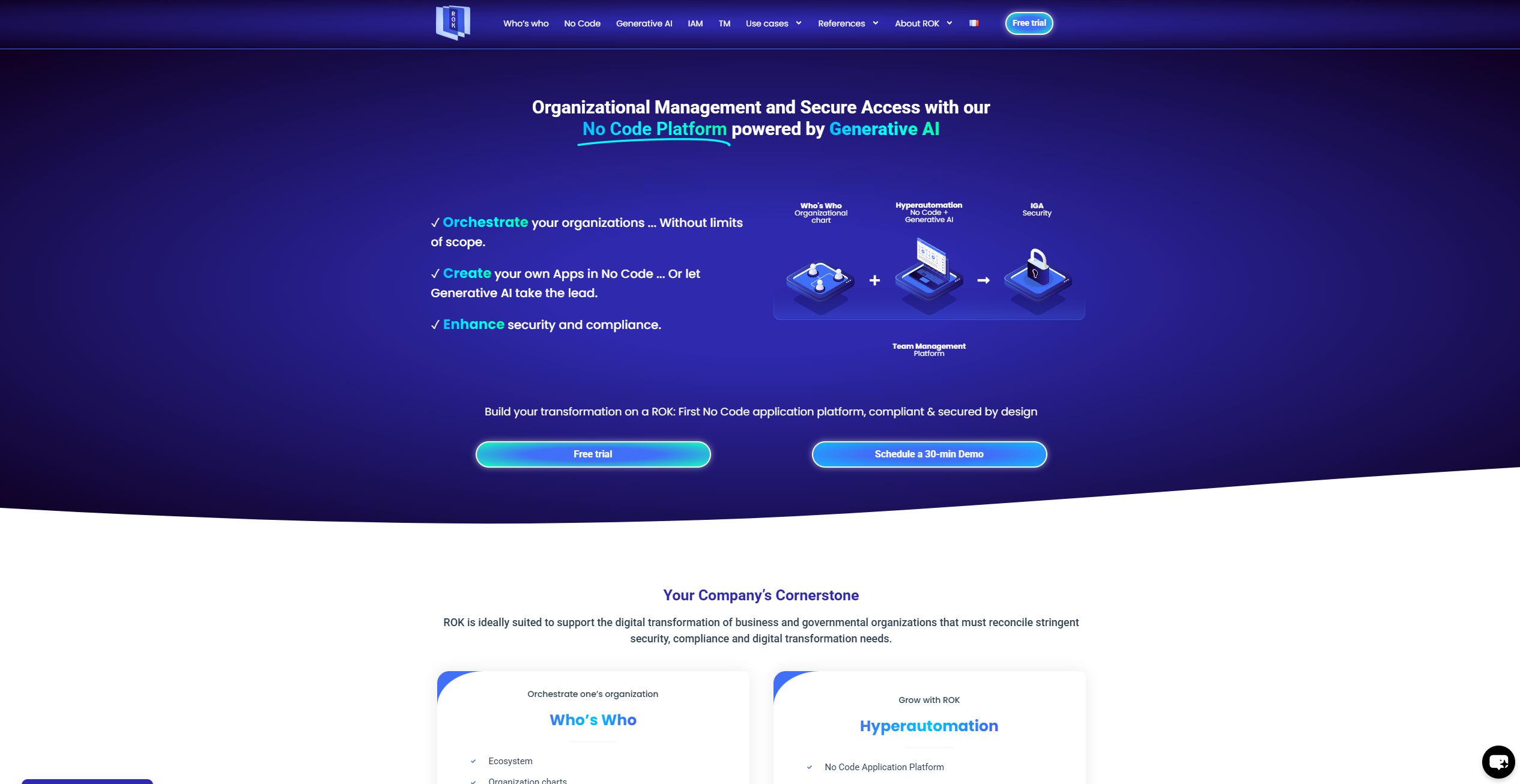
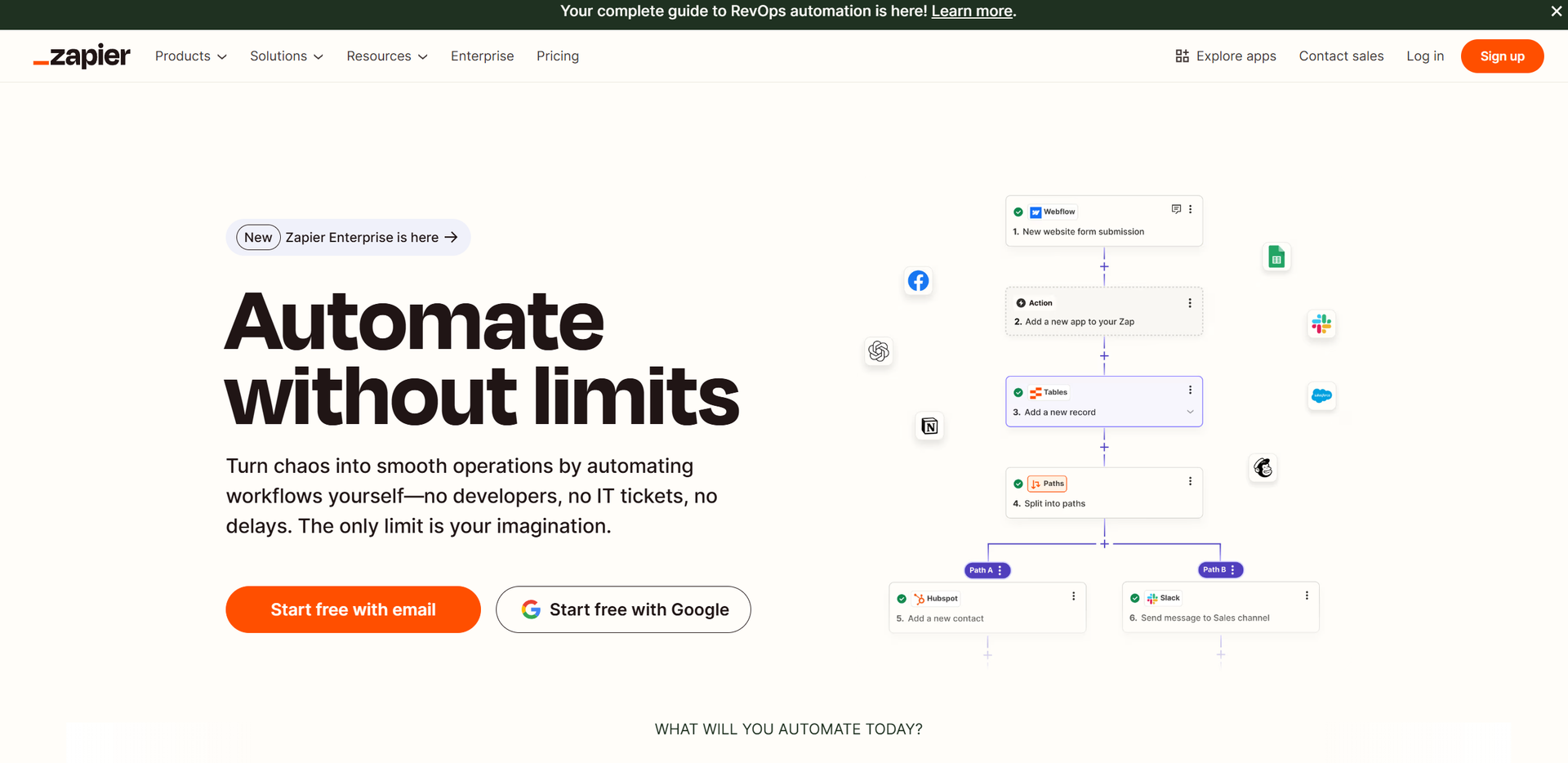
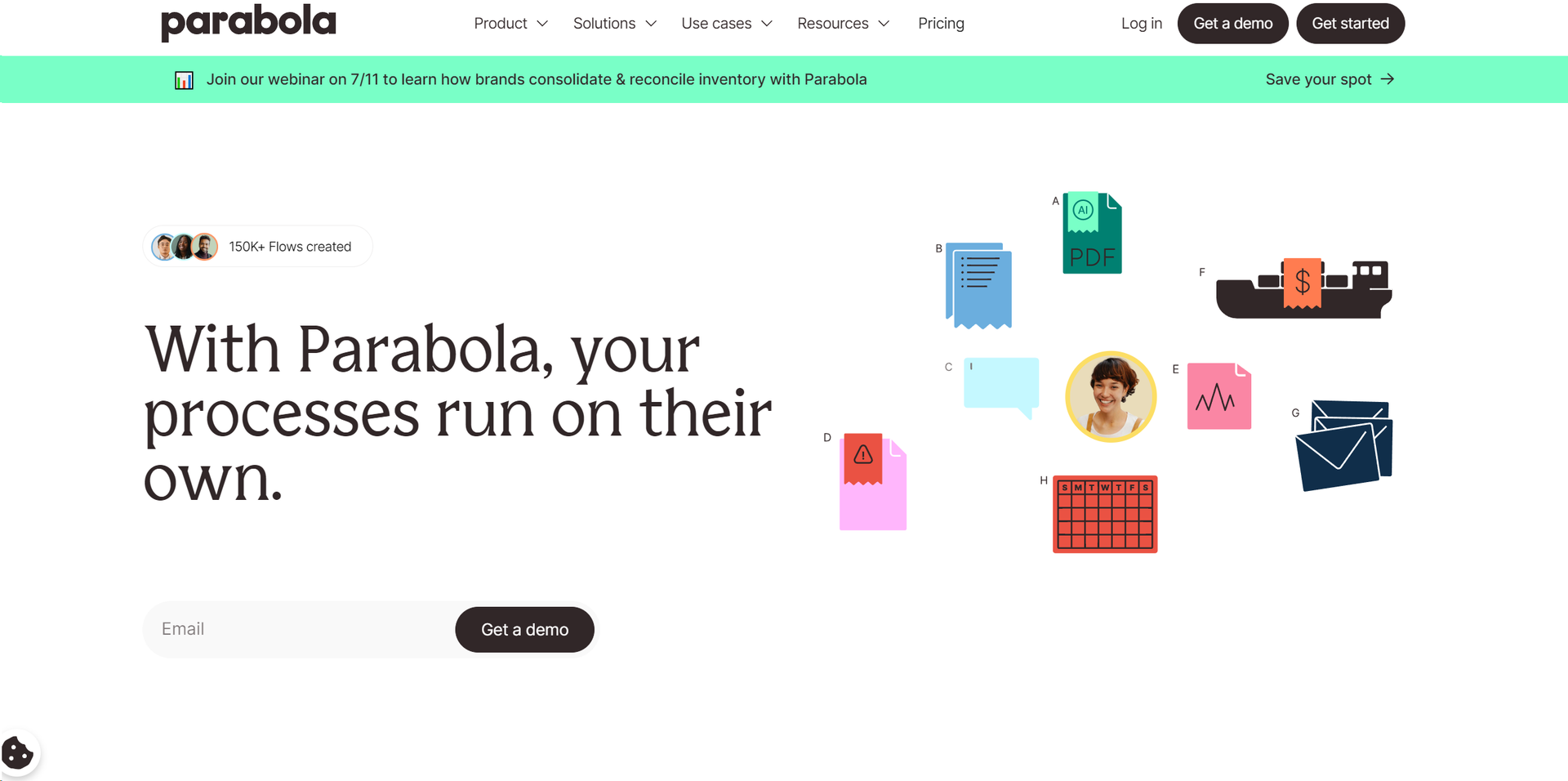
Workflows tools · weekly digest
The AI Weekly — free in your inbox
New AI tools, pricing changes, expert picks, and hidden gems — curated by Mr. Spark every week. Join 5,000+ readers who stay ahead of the AI curve.