
Pricing Details
Free Trial: Available to explore QPR’s features with a comprehensive trial version. Custom Pricing: Tailored pricing plans based on organizational needs and scale. Disclaimer: For the most accurate and up-to-date pricing, refer to the official QPR website.
Product Visuals (1 images)
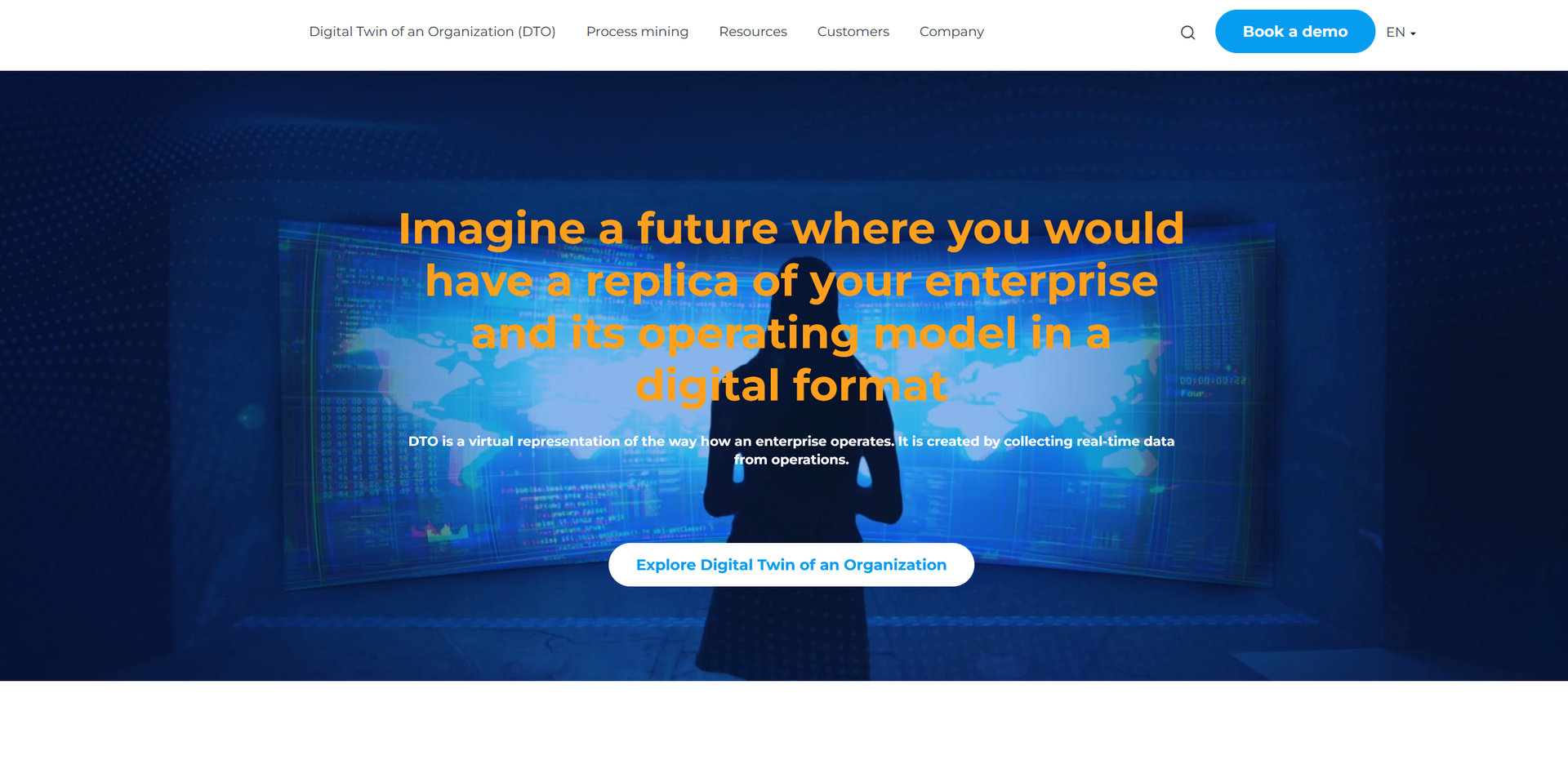
Strengths
- Enhanced Decision-Making: Offers comprehensive visibility into business processes, supporting strategic decisions with robust data.
- Cost Reduction: Identifies inefficiencies and opportunities for automation, leading to significant reductions in operational costs.
- Time Efficiency: Shortens process analysis from weeks to hours, accelerating the implementation of improvements.
- Scalability: Scales with your business due to its flexible cloud infrastructure, making it suitable for growing organizations.
Limitations
- Complexity for Beginners: New users may find the extensive data and analytics initially overwhelming.
- Integration Limitations: While robust, the integration capabilities with some legacy systems may require improvement.
- Resource Intensive: Optimal utilization often requires dedicated staff or specialized teams.
What You Get
Key Features
- Process Visualization: Provides dynamic visualizations of business processes, helping to pinpoint variations and inefficiencies.
- Intelligent Automation: Combines Robotic Process Automation (RPA) with AI to streamline and optimize end-to-end processes.
- Advanced Analytics: Uses machine learning to predict Key Performance Indicators (KPIs) and initiate corrective actions automatically.
- Cloud-Based Security: Operates on a secure, scalable cloud platform to ensure data integrity and accessibility.
- ProsEnhanced Decision-Making: Offers comprehensive visibility into business processes, supporting strategic decisions with robust data.Cost Reduction: Identifies inefficiencies and opportunities for automation, leading to significant reductions in operational costs.Time Efficiency: Shortens process analysis from weeks to hours, accelerating the implementation of improvements.Scalability: Scales with your business due to its flexible cloud infrastructure, making it suitable for growing organizations.ConsComplexity for Beginners: New users may find the extensive data and analytics initially overwhelming.Integration Limitations: While robust, the integration capabilities with some legacy systems may require improvement.Resource Intensive: Optimal utilization often requires dedicated staff or specialized teams.
Best For
- Financial Institutions: Banks and financial services use QPR to streamline loan processing and enhance risk management.
- Manufacturing Companies: Optimize supply chain and production processes through advanced process mining.
- Healthcare Providers: Improve patient care pathways and operational efficiency in medical settings.
- IT and ERP Consultants: Utilize QPR for digital transformation projects and system optimizations.
- Uncommon Use Cases: Educational institutions use QPR for research on process optimization; non-profits apply it for improving donor management and fundraising efficiency.
Integrations
ERP Systems: Integrates seamlessly with major ERP systems such as SAP and Oracle. CRM Software: Connects with CRM platforms to improve customer relationship management. Custom API Access: Provides APIs for bespoke integrations tailored to specific business needs. Cloud Compatibility: Fully compatible with leading cloud services for flexible and secure deployments.
Similar Tools
Weekly Issue
⚡
Workflows tools · weekly digest
The AI Weekly — free in your inbox
New AI tools, pricing changes, expert picks, and hidden gems — curated by Mr. Spark every week. Join 5,000+ readers who stay ahead of the AI curve.
No spam, ever
Unsubscribe anytime
100% free